

Medieval jewelry

One of the national symbols of the Kazakh people is jewelry. Kazakh jewelry has not gone out of fashion to this day, and therefore has not lost its national value over the centuries.
The folk jewelry art of the Kazakhs holds a special place in the history of national culture. The roots of this art form go back thousands of years. According to archaeological and toponymic data, the development of copper, tin, gold, and other precious and non-ferrous metal deposits on the territory of Kazakhstan began in ancient times.
Kazakh jewelry art was formed through the continuity of ancient traditions and the mutual influence of neighboring peoples' cultures. The jewelry craft has its own professional characteristics inherent to the manufacturing process. Kazakh jewelers (zer — zar in Persian means gold) mostly worked individually, teaching the secrets of their craft from generation to generation. The main task of jewelers was making women's jewelry, which was in demand among all social groups of society. This was driven not only by aesthetic needs but also by religious-ideological, ritual, and traditional requirements.
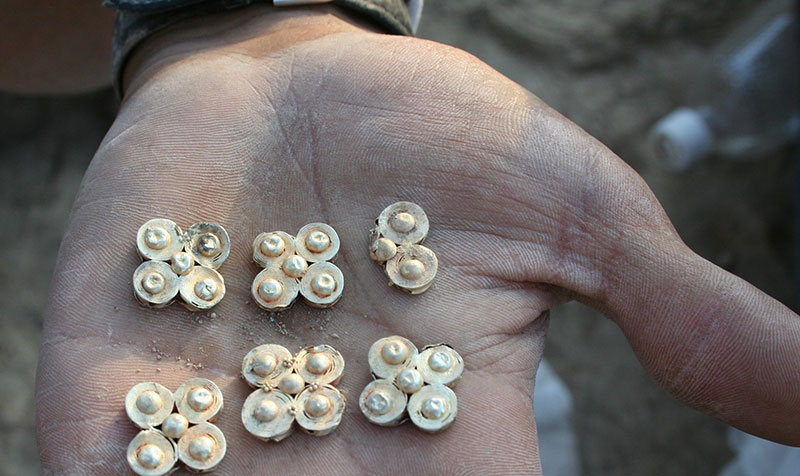
Gold and more often silver were used as the main materials, believed to possess magical powers that could protect against the evil eye and misfortune.
A zerger is a master craftsman who skillfully creates decorative items. However, those who were passionate about making gold and silver jewelry considered themselves separate from blacksmiths. Therefore, the name "zerger" (jeweler) was established among the peoples of Central Asia from early times.
Jewelry demonstrates the aesthetic and craftsmanship skills of folk masters — jewelers. By the jewelry, one can determine a woman's age, social group, and region of origin. For example, women from wealthy families often have gold jewelry inlaid with precious stones. These pieces are distinguished by complex artistic solutions and flawless technical execution. Women from wealthy families could order a complete set of jewelry from a jeweler, all made in a single style. Daughters of affluent families wore silver jewelry weighing about three kilograms.
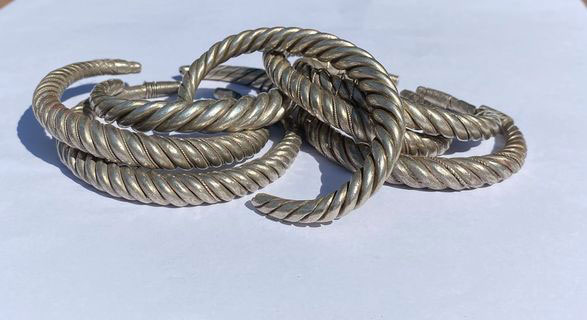
The traditional craft of our people is an inexhaustible source, an endless treasure, a rich heritage. It is an aesthetic taste born from the aspiration for beauty in the national consciousness. Folk jewelers created beautiful items, forming the image of beauty in consciousness. Thus, educating generations and mastering the artistic world, they continued to perfect it.
Jewelry art is a professional craft. These jewelry items not only served the needs of everyday life but also conveyed people's attitude toward the world of art. The professional level of jewelers has passed through the sieve of centuries and reached us.
The roots of this art go far back into the past. At first, people strung the teeth of caught wild animals on thread and wore them around their necks; later they began using shells and colorful stones from river banks. According to the understanding of those times, these objects were, on one hand, symbols of beauty, and on the other, were used as talismans. For example, it was believed that stringing beads from snake heads would protect against the evil eye and illness.
The development of Kazakh jewelry art was influenced by the continuation of ancient traditions and the mutual influence of cultures of neighboring countries. This can be seen in the manufacturing technology and artistic features of the items. Another feature of Kazakh craftsmanship is that young jewelers learned from masters and then independently perfected their art. Each jeweler had their own secrets. These secrets were passed down as inheritance to the family member predisposed to this craft. The diverse patterns of folk crafts and jewelry, their names, meanings, areas of application, and origins of development require research. Weapons, saddles, horse harnesses, various household items, and decorative ornaments created by great masters became true works of art. All precious things come from the earth, pearls and corals from lakes, and works of art are born from the soul of the person who possesses these riches.
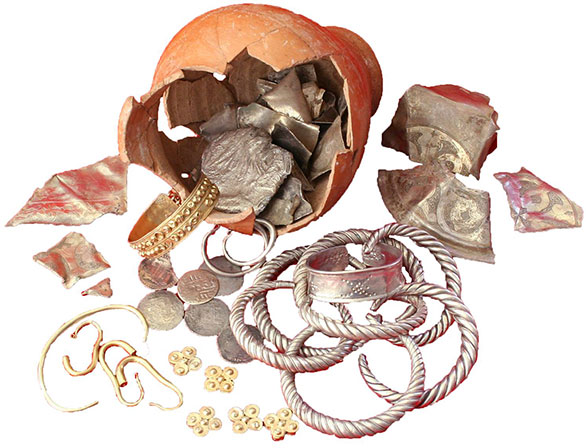
Metal artifacts discovered during archaeological excavations at the Ancient Taraz settlement reveal the secrets of medieval history. Various bracelets, earrings made of gold and silver from a thousand years ago, rings inlaid with precious stones — all testify to the development of medieval craftsmanship and culture. The results of archaeological research confirmed that jewelry art was at a high level from the earliest times. The funds of the State Historical and Cultural Reserve-Museum "Monuments of Ancient Taraz" preserve jewelry found at the Ancient Taraz settlement, demonstrating the development of this complex and labor-intensive craft that has always accompanied time and life. The jewelry was made using engraving, twisting, casting, and embossing techniques. In terms of artistic craftsmanship and ornamentation, the gold and silver jewelry from the museum's funds is of exceptional character. Among the jewelry items are belt-kemers, which come in both men's and women's varieties. By the nature of decoration, forging, and ornamentation, one can determine who they were intended for.
Jewelry art holds a special place in the history of our national culture. Gold and silver jewelry in historical museums represents folk heritage, a reflection of centuries-old folk culture.
Aliya OSPANOVA — Chief Keeper of Funds